Healthwatch visits Corby Urgent Treatment Centre to hear patients’ and staff experiences
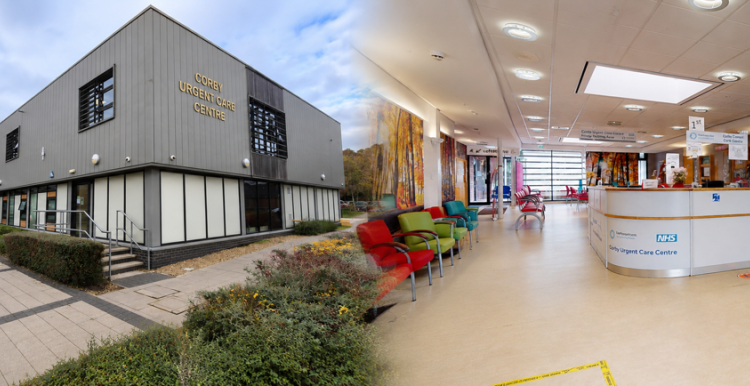
Healthwatch North Northamptonshire visited Corby UTC on 12 May and 2 June 2026 to understand the experiences of people using the service and the staff delivering care.
The Enter & View programme included observations of the service, conversations with patients and visitors, structured interviews with 32 service users and interviews with six members of staff across clinical, operational and leadership roles.
Overall, the findings present a positive picture of a service that is valued by patients and supported by a committed and experienced workforce.
Patients value the care they receive
One of the clearest findings was the positive feedback about the staff working at Corby UTC.
Patients described staff as caring, professional, welcoming and approachable, with many saying they felt reassured by the care and treatment they received. Patients also highlighted clinicians taking time to listen, explain decisions and answer questions.
Healthwatch observed respectful and positive interactions between staff and patients during both visits, including during periods of higher demand.
Many people also viewed the UTC as a valuable alternative to attending an Emergency Department when they needed urgent assessment but did not have a life-threatening condition.
Access to urgent care
A significant theme was why people chose to attend the UTC.
Many patients said they had been unable to obtain a timely GP appointment and saw the UTC as an accessible option when they needed prompt medical advice or treatment.
Staff also described increasing demand and the impact of wider pressures across the NHS, including difficulties accessing primary care.
The findings highlight the important role Corby UTC plays within the wider urgent and emergency care system, helping people access care when they need it and supporting the principle of receiving “the right care, in the right place, at the right time.”
Communication about waiting times
While patients were generally positive about their care, waiting times and communication during periods of waiting emerged as an important area for improvement.
Patients generally reported being triaged relatively quickly, but some found the wait between triage and clinical assessment difficult, particularly when they were unsure how long they would have to wait or what would happen next.
Healthwatch found that frustration was often linked not simply to the length of the wait, but to uncertainty about what was happening.
The UTC has subsequently highlighted an appointment booking process introduced following triage. Where clinically appropriate, patients can leave the centre and return at an allotted appointment time rather than remaining in the waiting area throughout their wait.
The report recommends continuing to strengthen communication around waiting times, patient flow and clinical prioritisation, building on measures that are already in place.
Supporting people who need reasonable adjustments
Accessibility and inclusion were also important themes.
Staff demonstrated a strong awareness of the needs of people with disabilities, neurodivergent people and those with hidden disabilities, including people with autism, ADHD, learning disabilities and sensory impairments.
The report identifies opportunities to build on this existing awareness, including strengthening the identification of support needs and reasonable adjustments at an early stage of the patient journey.
Digital access was another consideration. Many patients found the electronic registration and triage process straightforward and efficient, but some older people and people with limited digital confidence reported difficulties.
The UTC has a Patient Engagement role alongside its electronic triage system, providing face-to-face support for people who need help with the digital process.
Healthwatch recommends continuing to ensure that accessible support and alternatives are available so that digital developments do not create barriers for people who may need additional assistance.
Improving the waiting environment
Patients and staff generally viewed the UTC as clean, organised and professional. However, the physical environment was identified as an area where further improvements could enhance the experience of patients.
The waiting environment can become challenging during busy periods, particularly for children, people experiencing anxiety and neurodivergent people or those with sensory sensitivities.
Suggestions include considering sensory-friendly resources, activities for children and families, improved information displays and reviewing seating and capacity during busy periods.
The service has advised that further improvements to the waiting room environment are already being considered as part of its ongoing development.
Supporting staff wellbeing
The Enter & View programme also provided an opportunity to hear directly from staff about their experience of working in urgent care.
Staff described a supportive workplace culture, positive relationships between colleagues and effective leadership. Daily team huddles were highlighted as a positive way of supporting communication, teamwork and operational planning.
However, staff also spoke about the pressures associated with working in a busy urgent care environment. This included experiences of verbal abuse and aggression from members of the public, often linked to frustration around waiting times.
Staff also highlighted the emotional and workload pressures associated with urgent care and the importance of maintaining support for workforce wellbeing.
The service has advised that staff have access to an externally provided 24-hour support line and an internal Wellbeing Lead who can provide one-to-one support where required.
Looking ahead
Healthwatch North Northamptonshire found that Corby UTC is a valued local service with a highly experienced and committed workforce.
The report recognises the considerable pressures facing urgent care services and the work already being undertaken by the UTC to improve patient experience. It also identifies opportunities to build on existing developments.
These include:
- improving communication about waiting times and clinical prioritisation;
- continuing to strengthen accessibility and support for people requiring reasonable adjustments;
- further developing the waiting environment;
- supporting staff wellbeing and safety;
- maintaining accessible support alongside digital systems; and
- improving information sharing and integration across healthcare services.
Healthwatch will continue to use the experiences of local people to help inform improvements to health and care services across North Northamptonshire.
The full report provides further detail about the experiences shared by patients and staff, Healthwatch’s observations and the recommendations arising from the Enter & View programme.