
Bank Holiday Heatwave: Northamptonshire residents urged to take precautions as temperatures soar
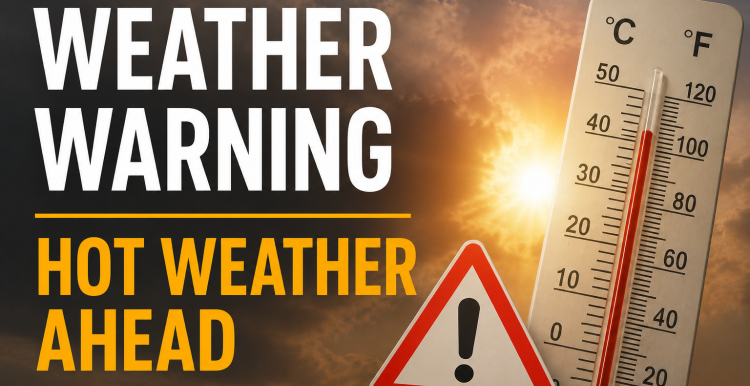
Forecast for Northamptonshire
Forecasts indicate that Northamptonshire is likely to see temperatures reaching around 28°C on Sunday and potentially 31°C on Bank Holiday Monday, with prolonged sunshine and very warm conditions expected across the county. Overnight temperatures are also expected to remain relatively high, which can make it harder for homes and buildings to cool down.
The Met Office has described the upcoming spell as an “exceptional spell of warmth for May”, with some parts of England approaching record late-spring temperatures.
Why hot weather can be dangerous
While many people enjoy warmer weather, extreme heat can quickly become dangerous, particularly for older adults, babies and young children, pregnant women, and people with heart conditions, respiratory illnesses or other long-term health problems.
According to NHS guidance, heat can lead to dehydration, heat exhaustion and, in severe cases, heatstroke — a medical emergency that requires urgent treatment. Symptoms of heat exhaustion include dizziness, headaches, excessive sweating, nausea, muscle cramps and weakness. Heatstroke may cause confusion, seizures, loss of consciousness or a body temperature above 40°C.
Official advice to stay safe in the heat
Government and NHS guidance recommends several simple but important steps to reduce the risks during hot weather:
- Drink plenty of fluids regularly, especially water or diluted squash, even if you do not feel thirsty. Avoid too much alcohol, caffeine and very sugary drinks, which can worsen dehydration.
- Stay out of direct sunlight during the hottest part of the day, usually between 11am and 3pm. If you must go outside, seek shade wherever possible.
- Wear loose-fitting, light-coloured clothing, a wide-brimmed hat and sunscreen with at least SPF 30.
- Keep homes cool by closing curtains or blinds in sun-facing rooms during the day and opening windows later in the evening when temperatures fall.
- Avoid strenuous exercise or heavy outdoor activity during peak heat hours. If exercising, do so early in the morning or later in the evening.
- Check on vulnerable neighbours, relatives and friends, particularly elderly people living alone or those with existing health conditions.
The NHS also advises parents never to leave children or pets inside parked vehicles, even for a short period, as temperatures can rise dangerously within minutes.
Recognising heat exhaustion and heatstroke
The NHS says anyone showing signs of heat exhaustion should be moved to a cool place, given fluids and cooled down with damp clothing or cool water. Most people improve within 30 minutes if treated quickly.
However, immediate emergency help should be sought by calling 999 if someone:
- becomes confused,
- loses consciousness,
- stops sweating despite being very hot,
- has a seizure,
- or shows signs of heatstroke.
Heat-health alerts in place
The UK’s Heat-Health Alert system, operated jointly by the UKHSA and the Met Office, is designed to warn health services and the public when temperatures could significantly affect health and wellbeing. Officials have warned that periods of sustained heat can place additional pressure on healthcare services and increase risks for vulnerable people.
Residents are being encouraged to monitor the latest local forecasts and follow official public health advice throughout the Bank Holiday weekend.